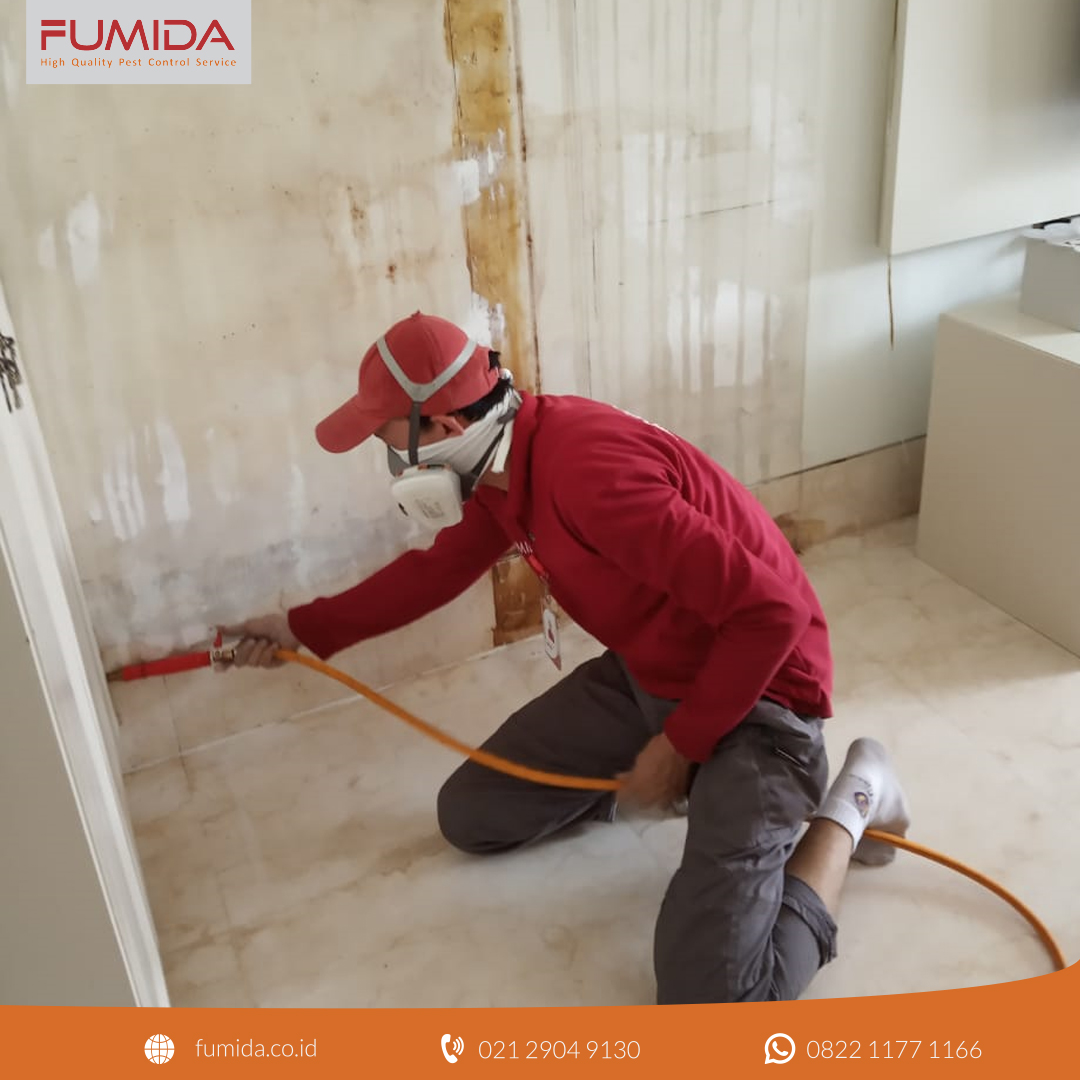
Every heritage structure tells two stories in Jakarta. The first is inscribed in carved teak and colonial-era joinery--craftsmanship that has survived earthquakes, regime changes, and a century of tropical rainfall. The second that is written in mud tube, frass and the hollow echo from a timber termites turned into veneer, is told by frass, mud tubes and the hollow echo. It is not a museum-related project to preserve Javanese wood used in heritage structures; it is an investigation into the forensics of. The wood used is often not as durable and authentic as they are in romanticized versions. Subterranean termites could prefer authentic timber substitutes. Anti-termite contracts and conservation contracts must be based on species identification. Heartwood is vetted, and preservation techniques do not erase early and colonial construction stories embedded in the grain.
1. Teak sold in today's market is not Heritage Teak
Javanese teak that is more than 60 years and is harvested has extractive oils and silica deposits that actively hinder termites from feeding. Teak grown in plantations harvested from 15 to 20 years old is devoid of these oils and silica deposits. The structures that are heritage and no longer in use aren't typically failing due to being constructed using decayed wood; instead, they are often failing due to repairs that were made in the 20th century used teak that termites consume. Exterminators must test replacement timber before installation, not assume species alone guarantees resistance.
2. Heartwood Versus Sapwood - The Invisible Durability Gap
A single piece of timber could have two durability classes. Mahoni sapwood, on the other hand, is highly vulnerable to termites. Nangka heartwood is the second lowest rating (Class II) while nangka Sapwood is rated Class V, which is the lowest. Heritage restoration companies that specify wood species and do not specifically mention construction using only heartwood are putting termite-prone materials into buildings that survived on long-lasting growth resistance. Anti-termite agencies should request samples of core before they approve a restoration timber.
3. Bamboo Preservation Exists but Needs Immersion
The Dutch colonial plague campaign bamboo that was not treated was barred from Javanese construction. However, bamboo wasn't the cause of the problem. Tobacco stalk wood vinegar used by cold soaking for twenty-four hours followed by soil drenching at the base, decreases termite damage by a staggering thirty percent over the course of 18 months. Bamboo's heritage can be maintained, but the surface brushing alone isn't enough. Infrastructure for immersion is required.
4. Colonial-Era Repairs Are Not Authentic Javanese Wood
Dutch plague officers forcedly reconstructed 1.6 million Javanese house between 1911 and 1941 using criteria that were more based on epidemiological criteria than cultural continuity. The thing that is commonly described as the traditional Javanese vernacular architecture is in fact the colonial public health infrastructure. The anti-termite inspectors who inspect historic properties should distinguish between pre-colonial joinery and Dutch-mandated substitutes. The notion of treating them as the same is a mistake in preservation theory and evaluation.
5. Soursop Leaf Extract Works at 25% Concentration
The cold-soaking of durian and coconut lumber in a 25% leaves extract solution reduces weight loss mediated by termites down to less than five percent, which is the commercially accepted classification of resistance. This is not folk medicine; it is concentration-dependent, replicable, and requires no synthetic chemistry. Jakarta exterminators that serve clients of the past should collaborate with facilities that are that can offer immersion treatments and certify extract concentration in the treatment document.
6. SNI Class II Is Not "Termite Proof"
The weight of Indonesian Class II National Standard timber (classified "resistant"), even after being subjected to standard tests against Coptotermes ccurvignathus, drops by six to 10 percent. Heritage preservation contracts that specify the use of "Class II" or better without any additional intervention will allow an observable usage. Barriers to physical or non-repellent baiting are needed for irreplaceable carved wood pieces.
7. Agathis and Durian Timber: Heritage Liabilities
Agathisdammara was extensively used in colonial Javanese joinery, furniture and interiors. Central Java is home to several ancient structures made of Durio-zibethinus. Based on testing that is standard both species scored Class V (very poor resistance). The exterminators should flag the species immediately for priority monitoring. A carving of an Agathis isn't an object of preservation; it's a termite feed station dressed in historical clothing.
8. The content of moisture is an important factor in determining the detectability
Termites cannot detect wood below twelve to fifteen percent moisture content regardless of the species or the durability class. Heritage foundations are usually wet and leaky. Anti-termite treatment of heritage timber that fails to fix roof drainage, capillary moisture through downspouts and masonry is an expensive method of preserving wood that has already been identified by termites.
9. The 1911 Archive is available and searchable
University of Cambridge and Dutch Colonial Archives have around 300 photos of Javanese construction that dates from 1911 to 1929. These images document original material deployment and historical repair procedures as well as regional-specific joining techniques. They are not just archives for academic use, but also tools for forensic analysis. Heritage exterminators who look through archives of photographs can discern authentic fabric from later replacements and make adjustments to the risk assessment.
10. Preservation through Treatment, Not Replacement
The Dutch colonial precedent shows that material substitution at continental scale produces houses of unclear authenticity as well as questionable termite resistance. Heritage preservation cannot be improved through cutting the timber and putting in plantation wood. Preservation through treatment is the economically and ethically viable option. This includes soaking in natural extracts as well as targeted baiting around irreplaceable fabrics and physical barriers that don't require digging up historic foundations. Anti-termite companies that present themselves as preservation contractors, rather than replacement contractors earn the trust and specification of architects.
Conclusion
Javanese wood conservation isn't a niche specialty it's the primary termite-control discipline that was practiced long ago, before the invention of synthetic pesticides. The 25 percent soursop extract threshold, the eighteen-month bamboo vinegar protocol, and the requirement for heartwood verification are not substitutes for professional extermination--they are professional extermination executed at heritage standard. Jakarta antitermite companies that wish to win heritage contracts need to invest in immersion equipment to acquire core-sampling instruments and train inspectors how they can differentiate between colonial-era plague construction and pre-colonial vernacular construction. The wood cannot be repaired. The ability to conserve it has not been lost, it is simply not yet fully operational. The price of services that have this ability will be an advantage to homeowners and conservators. The market is already there. It's a matter of which pest control companies choose to serve it. Check out the top rated jasa basmi rayap for site examples including membasmi rayap, jasa anti rayap, jasa basmi rayap, rayap pekerja, membasmi rayap, cara basmi rayap, cara basmi rayap, harga anti rayap, cara basmi rayap, jasa anti rayap surabaya and more.

Jakarta Indonesia: Tropical Climate And Constant Termite Threats
In Jakarta, franchises of pest control firms from the temperate zones export their training manuals, equipment as well as chemical formulas. They find out after the space of 18 months that nothing is operating as claimed. The product itself is not bad. It's because tropical urban climates invalidate the assumptions embedded in those products. The pests of Jakarta don't stop feeding in the winter months simply because there is no winter. In Ohio and Osaka, soil-applied termiticides do not hydrolyze as fast because the soils are always warm and wet in Jakarta. In Menteng Menteng, the same bait consumption patterns as in Melbourne don't work because of high humidity. Anti-termite companies who view Jakarta as a humid variant of markets that are temperate are certain to produce suboptimal outcomes. Jakarta is a special area. It is a unique operational environment.
1. Zero Foraging Downtime, 365 Days
Temperate termite populations stop foraging when soil temperature drops below fifteen degrees Celsius. Jakarta's annual and diurnal temperature fluctuations remain within the active foraging bandwidth of Coptotermes gestroi and Microtermes insperatus. There is no time frame for treatment. There is not a safe month to renovate. In order to eliminate colonies, the procedures must be based upon a constant feeding pressure for three hundred and sixty-five consecutive days a year.
2. Cuticles Excessive Humidity
Termite cuticles desiccate below seventy percent relative humidity. The average humidity in Jakarta during the dry season is between 75-80 percent. The humidity in the wet season can reach 90 percent. Termites do not merely tolerate these conditions, they are compelled to forage all the time since their water balance demands regular replenishment. Continuous threat does not mean excessive, but rather a physiological necessity.
3. Chemical Half-Life Contracts for months
The effects of moisture and temperature are both to accelerate the process of hydrolysis. A termiticide for soil in Hiroshima that is effective for six months, will become not effective in Jakarta within three or five months. Liquid barrier treatments that have 12 month warranties are concentrated too heavily and misrepresenting their lifespan or charging for reapplications.
4. Silty Clay serves as a Colony Infrastructure
Jakarta's dominant urban soil type, compacted silty-clay, retains the moisture to an extent that draws ants from subterranean areas. Termites are more likely colonize an environment when soil water exceeds 22%. When pest control companies apply chemicals to soil and do not measure the moisture content they're merely treating the symptoms but leaving the their habitats as they are.
5. Preferred Wood species are defaults for construction
Coptotermes curlvignathus is a fan of mangium, pine, as well as lighter red Meranti. These woods are utilized for framing, joinery and other purposes in homes of middle class in Jakarta. Teak and merbau do not nourish termites, however they are two to three times more costly. The Jakarta construction market has selected timber that termites enjoy.
6. Fungus-Growers Dominate, Coptotermes Destroys
Jakarta's termite assemblage is numerically dominated by Microtermes insperatus and Macrotermes gilvus--Termitidae-family fungus-growers that require soil contact and organic debris. Coptotermes Gestroi is not as common however it causes structural damage to the structure. By focusing their marketing solely on Coptotermes they misrepresent Jakarta's species composition.
7. Green Spaces function as Colonies Reservoirs
Jakarta's railroad lines that aren't maintained Cemeteries, urban forests and railway patches support colony-parents that extend foraging tunnels from the adjacent residential areas. Nine Hazard Class One Sub-districts share one thing they share they have a substantial amount of vegetation. It is not possible to protect properties in these areas with simply treating property lines. To suppress colonies at local scale, it's essential to coordinate baiting across many properties.
8. Construction Activity Manufactures Home
The urbanization process in Jakarta is not able to eliminate termite habitat; it is a new habitat. Fill soils imported from abroad along with irrigated landscapes as well as buried building debris create the ideal conditions for colony development. The housing estates that have been constructed recently located in BSD or Bekasi are not completely free of termites. It is a termite habitat which was open for business on the day that the first tree was planted.
9. Timber imported from the United States bypasses quarantine
Tanjung Priok is the port of entry for invasive termite species. that arrive in Jakarta via the containerized trade. It is also a donor city that exports infested pallets as well as made wood products to ports that are temperate. This bidirectional movement makes sure that the strength of colonies is not diminished through isolation. The termite outbreak that occurs every month in Jakarta is reinforced with the arrival of container vessels.
10. Climate Migration Boosts Population
As global temperatures increase lowland species of termites can be found in previously unproductive habitats. The colonies that are parent to the ones located in higher elevations during warmer years are able to survive mild winters, and also expand their range of foraging downslope. Jakarta isn't being savaged exclusively by local colonies. It is being attacked by an increasing population front migrating from cooler refugee zones that no longer function as refuges.
The final sentence of the article is:
This isn't marketing jargon. This is a description for operational purposes. Jakarta's anti-termite businesses must set the rate of chemical application to allow for rapid degradation. They must also set up bait stations all year long to allow for consumption. The market is not going to give a boost to those who complain about difficult conditions. It rewards those that modify their procedures to the situations and document the outcomes. Jakarta's climatic conditions are not an excuse for failure in treatment. The variable is what separates the generalist exterminators who employ imported protocols, from the specialists who have developed a specific method for Jakarta. Homeowners can tell the distinction. Homeowners can determine the difference by their willingness and unwillingness to renew their contracts with the latter. See the top rated anti rayap jakarta for site recommendations including jasa pengendalian hama, rayap adalah, rayap lemari, cara basmi rayap kayu, jasa pest control, cara membasmi rayap kayu, rayap rumah, kitchen set anti rayap, cara basmi rayap kayu, jasa basmi rayap and more.