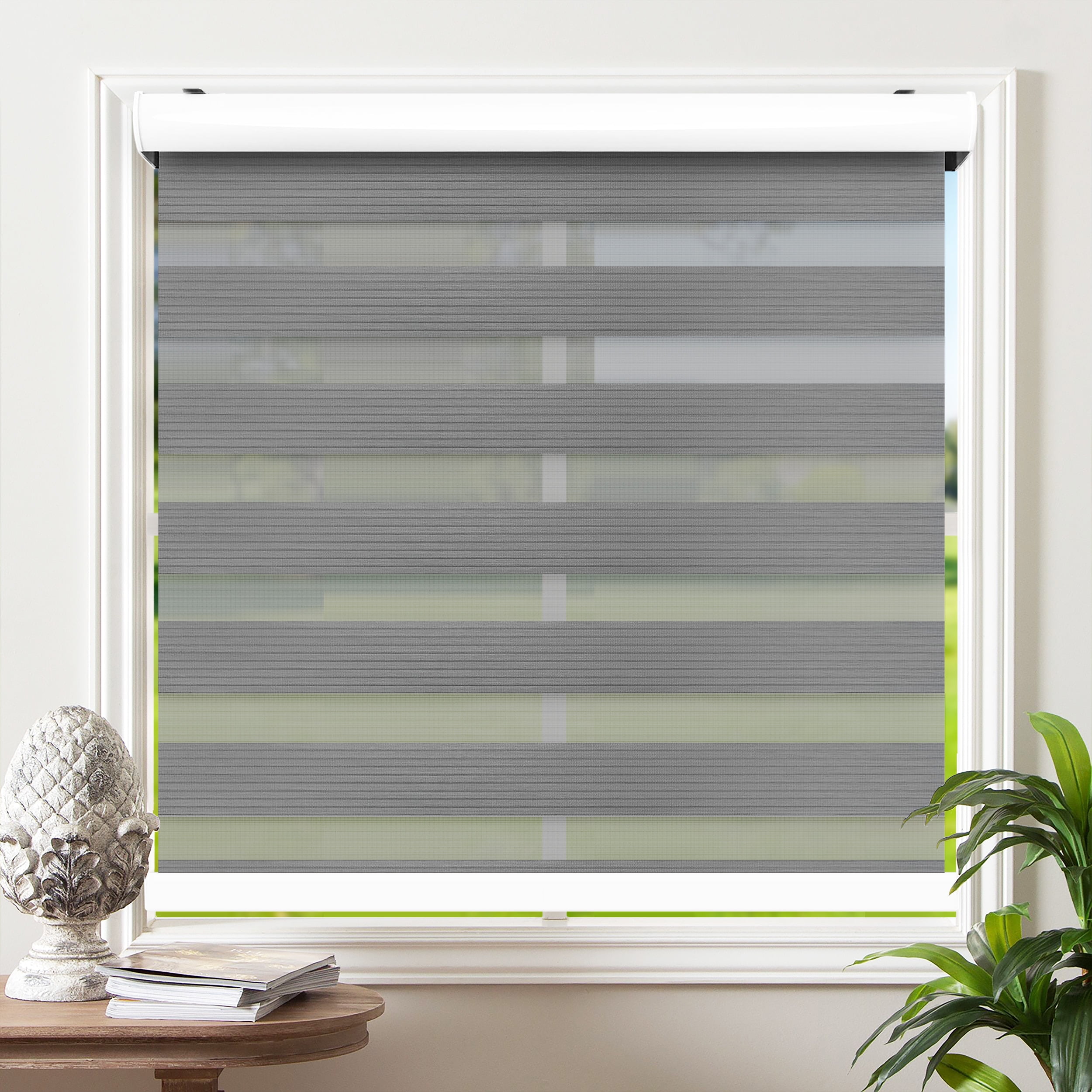
In Australian homes, sunshine is a currency. We want the warmth and joy of it, however, we must also manage its more demanding side which is the intense radiation and the intense heat that could turn a cherished rug to an era and turn the living space into a midday sauna. It's not all about fashion or privacy when it comes to choosing blinds. This is a crucial choice for protecting the environment. Your blinds serve as your everyday protection from Australian sun's rays. Knowing the different material's ability to handle heat and UV is key for maintaining your home's interior. It will also allow you to maintain your level of comfort and budget. Select a barrier instead of simply covering.
The assault from our windows has two facets. The first is that the UV radiation found in Australia is among the strongest. This invisible energy doesn't just leave you with a sunburn, it breaks down the molecular bonds of dyes and fabrics. This gentle force transforms crimson cushions into faded pink and also fades precious photographs or artwork behind glass. Second, solar heat gain, which is the infrared light that turns glass into an emitted heater. If not controlled the heat will flood your home, causing air conditioners to run at full speed and increasing the cost of energy. Blinds which only offer shade will only win half of the battle. The best blinds are engineered to manage heat and light.
The protection spectrum starts with basic light-filtering. Simple non-lined fabrics like Roman or roll up blinds can reduce glare and provide privacy but only offer a limited amount of protection from UV and Heat. Blinds shield you from UV rays and heat, not the eyes. It is important to search for specific weaves or materials if you want true protection.
The filter is the first step, or sunscreen weave. This is a precision fabric, usually made of synthetic mesh and that is coated with PVC or other chemicals. Its greatest strength is its specific filtering. It disperses direct sunlight and transforms it into a beautiful glow. While preventing ultraviolet rays which can cause harm The device blocks up to 90 percent of them. This is a size-for-window, long-lasting pair of premium sunglasses. This innovative and contemporary product is ideal for spaces which require light, but do not want to damage the walls, like living areas, sunrooms or even home offices. Its efficiency is determined by its opening Factor as well as its UV Blockout rating.
Blockout materials are ideal for situations that require total defense. These fabrics are densely woven and usually backed by a layer of acrylic or rubberised. They block UV and light radiation almost entirely (99.5%+). The darkroom effect that they create when fully lower is vital for bedrooms or media rooms. The added benefit is that they are a great thermal insulation. By forming an air seal around the window, they significantly reduce heat loss, keeping summer heat out and winter warmth inside. Many of the most sophisticated models have a reflective backing, which usually is made of metal. The reflective backing bounces solar energy off the glass.
Honeycomb blinds, also known as cellular shades are examples of the structural design. These hexagonal blinds are engineering marvels. The vertical pockets form an insulation layer by trapping still air. Double-glazing your blind is a good idea. The walls of the fabric are dense and offer excellent UV protection and superior thermal performance, which keeps your interiors warm during winter, and cooler during summer. They are also the most efficient in energy efficiency.
In evaluating materials, it is important to look beyond the color on the front. Consider the composition and treatment. Synthetic fabrics that are dyed with solution (like polyesters and acrylics) are infused with colour within the fiber, which makes them inherently more fade-resistant than fabrics where dye is applied directly to the fabric. It is possible to tell whether a UV inhibitor was used in the process of manufacturing by looking for any mention of it. When it comes to PVC or vinyl the thickness and the quality of the material determines how long they will last as well as how tough they are to constant sunlight exposure.
The dialogue you engage with your supplier must be objective and not influenced by your personal opinions. Ask revealing queries: "What's the UV blocking percentage of this fabric?" Does it have thermal or reflective backing? "What is the expected wear and tear of this material for a north-facing window?" A reliable company will be able to answer this question and will inquire about your window's design, the material it is on and what exactly you want to protect. They are aware that a blind made for a bedroom with windows facing south and one for an interior lounge with a north-facing silk sofa is going to require different guidelines.
Function and fit is the final aspect, which is often overlooked. The gaps can compromise even the most sophisticated materials. An expert installation is required to prevent "light leakage" which is the term used to describe those slivers that cause fade. The ease of use will also determine how often the blind is deployed. A large blind will be left unattended for long periods of time, which defeats its purpose. The smooth, cordless and motorised operation makes daily use enjoyable rather than an exercise.
Blinds that are properly designed and have UV and thermal protection is a strategy for the long term. It's an investment that will help preserve your floors, furniture and paintings. The investment is in efficiency - reducing the burden on your cooling system and your energy bill. And it is an investment in liveability--creating comfortable, glare-free spaces that are a joy to inhabit throughout the day's changing light.
Blinds in Australia aren't only for decorative purposes. The sun is an important and permanent force. They are an integral part of the temperature control. The right choice of material will allow you to relax and let the sun shine through at any time you like. Also, it assures that the hues of your home will stay radiant in the years to come. Shade is a smart instrument that can be used to provide a cozy and sustainable living. Check out the recommended blinds for more examples including discount blinds direct, blinds off, blinds direct installation, blinds direct blinds, perfect fit blinds australia, premium quality blinds, quality window shades, order blinds, made by blinds, direct fit blinds and more.
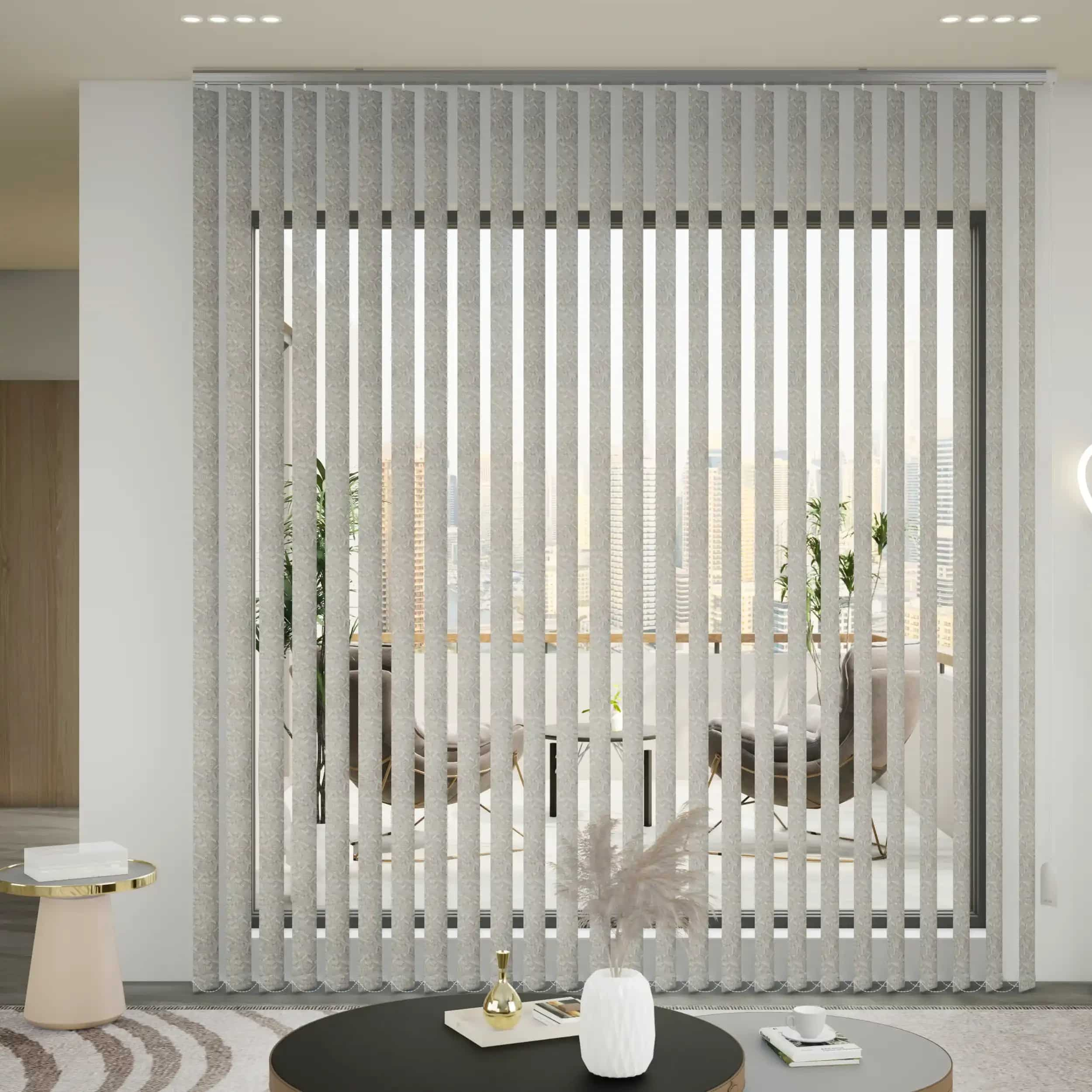
The Invisible Shield: Why Australian Standards Are Your Buying Guide
If you decide to install blinds in your Australian home, you're making an aesthetic choice. There are threads of law, technology, and safety. These are threads that you likely never notice. The Australian Standards are a set of voluntary and mandatory regulations which regulate everything from tensile strength of cords, to the fire resistance in fabric. It's not only a matter of technicality. It provides the peace of mind that the product you have in your house is tested and designed to survive within the specific requirements of our society and environment. It's the difference between a product that is available and one which is suitable.
The Australian Competition and Consumer Commission's (ACCC) obligatory standard for corded inner window blinds is among the most important. It is not a directive but rather a legal obligation. It was born out of tragic events, and the goal is clear: reduce the risk that children will be trapped. As per the guidelines that all new shades with cords must come with safety devices already in place. The standard states that tensioners must be permanently connected to the wall in order to keep cords long, taut and tight. Also, it includes breakaway devices that release under pressure. Crucially, the standard details how a product must be installed to be compliant--instructions that must be provided with the product. A supplier who sells a shade that is corded without these integrated features or advises you to install them later on is not providing a product that is compliant. It is better for consumers to choose cordless or motorised options. They achieve the objective of the standard.
Alongside this safety standard there are a number of Australian and New Zealand Standards that influence the performance and quality of products. Although they are not required for purchase, their usage by reputable manufacturers signifies a product built to meet a standardized benchmark. AS/NZS-60335.2.97 - the household safety standards for blinds - is a key one. The standard defines requirements for durability as well as operation and safety. It measures the force necessary to operate the controls, and makes sure that they're not too tight or loose that they put strain on components. It tests the durability of ladders or tapes on venetian and vertical shades, to ensure they are able to be used repeatedly. This standard is achieved by a product that has been subjected to simulated operation in the laboratory. It's a proxy of resilience in your own home.
Another crucial area is fire resistance, which is governed by standards like AS/NZS 1530.3. It's not required for residential properties, however it may be required in multi-residential environments like hotels apartments, hotels and aged care facilities, where the Building Code of Australia mandates specific fire hazards. In these cases blinds are often required to be made from materials that are non-combustible and pass rigorous tests for smoke and flame propagation. For a typical homeowner, choosing a product that is compliant with the fire safety guidelines is a sign of a better quality material, often with better resistance to heat and lower risk of rapid flame spread--an additional, but often unadvertised additional layer of security.
In Australia, performance standards are also vital. Tests for UV degradation, colorfastness, and how the fabric will perform under the intense Australian sun are available. Fabrics which claim compliance with relevant UV Standards have proven that they are resistant to fading and physical degrading for a certain period of time under the conditions of Australian conditions. When you are buying outdoor blinds for sunrooms or outdoor blinds, be certain to check for AS/NZS4388, which covers the performance of outdoor fabrics. Standard anodising or powder coating standards are required for aluminium components in coastal regions to ensure that they are resistant to corrosion. It's not about protecting against injury but rather safety against premature product failure. This is an assurance that the product will remain in good condition and perform the way it was designed for a long time after installation.
As a buyer, what can you do to prove the invisible adherence? Passive acceptance is replaced by active inquiry. Ask the supplier directly: "Can you confirm this product and its installation will be fully compliant with ACCC's required corded blind standards?" "Does this fabric/component have a test certification to the applicable Australian Standard for UV stability/fire performance/coastal endurance?" Reputable suppliers will not be offended by these inquiries; they will welcome them as evidence of a knowledgeable buyer. The suppliers must be able to give any documentation or certifications. Be very sceptical about any products that don't reference Australian Standards, especially those purchased online. They are made for a generic international market, and not the Australian regulatory and environment pressures.
The importance of due diligence goes beyond the door of your home. Uncompliant products pose a safety risk and can cause the cancellation of your insurance policy should they be found to cause an accident, such as the occurrence of a fire. They are also more likely to fail in the early stages and you are left no recourse within the local area to claim warranty issues. It is a good idea to choose an item that is tested and approved by a local business. The purchase you make should enhance the safety and integrity as well as the security of your home.
Australian Standards are, at their foundation, a collective agreement to ensure the safety and quality of life. They are the result of the collective knowledge of industry professionals and engineers, as well as safety experts, who work to define "fitness to function" within the Australian home. You are not buying blind when you purchase an item that is compliant. You're buying the assurance that every material has been considered, every mechanism tested, and every known hazard designed out. In a world flooded by options, compliance with Australian Standards is the most trustworthy way to differentiate market-ready products from ones that are truly ready for home use. It is an invisible shield that allows you to take in the view worry-free.