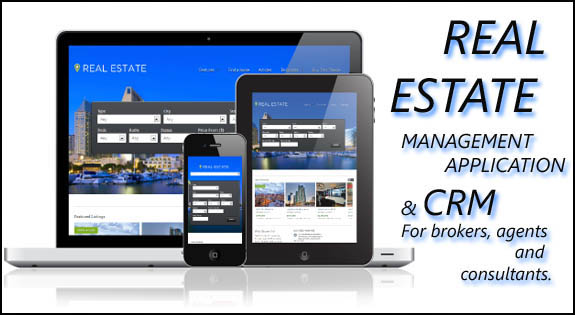
For brokers and real estate agents Brokers and real estate agents, a customer Relationship Management (CRM) system is much more than an electronic address book. It's the brain of their company, orchestrating lead generation, as well as managing transactions and client management. The right CRM can do more than store information. It streamlines routine tasks, provides actionable insights, and ensures that referrals or sales go unnoticed. In a field that is fiercely competitive, and where relationships are crucial and relationships are essential, a CRM that is designed specifically for real estate workflows isn't just a luxury. It's a requirement. The following ten features represent the fundamental functions that a CRM must offer to enable the real estate professional to streamline their operations and, ultimately, lead to more closings.
1. Intelligent Lead Management & Prioritization
The foundation of any CRM that is used in real estate is this. It has to do more than capture leads via websites, Zillow.com and Realtor.com. It should be able automatically score, segment, and profile leads according to predefined criteria. This can include evaluating a lead's behaviour (e.g. perceptions of properties with high worth properties, frequency of web-based visits) or budget (from properties searches), or timeline (e.g. requires purchase within 60 days) from a filled-out form. The system can then assign each lead a score, and push the hottest, most-ready-to-transact leads up to the top of the list. This smart prioritization ensures that agents concentrate their time on prospects that are most likely to be converted.
2. Integrated Marketing Automation Platform
Retention of leads and previous clients is a continuous process. A well-designed CRM should have an integrated marketing automation suite. The CRM should have customizable SMS and email drip campaigns that can be activated through specific actions. For instance downloading a home buyer's guide or altering the price of a property stored. Automated campaigns that remind previous clients of their anniversary, send information on market trends and request referrals are essential. The platform should include easy-to-use templates for just-listed/just-sold announcements, holiday cards, and newsletters, all brandable with the agent's logo and contact information. This will ensure consistent, professional communication which keeps the agent at the forefront without needing manual labor.
3. Transaction Management Pipeline
A real-estate transaction is a complex process that involves many moving parts. It is not enough to have a generic task list. The CRM should provide a visual, customizeable pipeline or board that is mirrored to the actual steps of a deal: from acceptance to inspection and Appraisal, then Underwriting, and finally closing. Each stage should be associated with checklists, deadlines, and the required documents. The system should assign work automatically to the transaction coordinator, agent (or even the client) and send reminders as deadlines approach. The system provides an impartial data source for every transaction. This helps to reduce the chance of errors, avoid missed deadlines and also offer unrivalled clarity to the people involved.
4. Email and Call Integration Two-Way
The CRM system must work seamlessly with the primary tools used by the agent to communicate to maintain a complete history. Two-way syncs with Gmail or Outlook ensures that every sent and receive email is automatically recorded into the correct record of contacts without any manual entry. Similar, native VoIP systems or integrations with telephone systems could provide click-to-call features, automatic recording of calls, as well as voicemail drop (prerecorded messages that are sent instantly). Agents will have a complete information about each interaction.
5. Mobile-First Functionality
Real estate agents are in the field. Agents meet clients in coffee shops, vehicles and properties. This is the reason why a mobile app that's intuitive and has all of the functions you need is a must. The app must provide all access to your database of contacts, transaction details and lead notification. Agents should be able to log email messages, phone calls and show notes while they travel. They could even create and distribute documents that require eSignatures via their mobile devices or tablets. It's not efficient to have a CRM that is tied to their desk. The real power is when they can access the entire system from their tablet or phone.
6. Alerts and tracking of specific properties
A CRM should connect the property and the person. Agents need to directly link contacts to properties that they're interested in buying or selling. The system must allow users to save their search criteria. With the use of an MLS or integrated IDX integration the system will issue an automatic notification whenever an upcoming property matches the criteria or when a previously saved property is reduced in price. The CRM for sellers should track comparative properties (comps) informing agents when they are listed or sold.
7. Centralized Document Storage and File Storage
A real estate transaction requires many documents. A CRM that is competent must have a secure and centralized repository of documents. This "digital filing cabinet" will allow agents to upload and archive documents such as disclosures, inspection reports, and mortgage preapprovals. The system must be integrated with electronic signature systems (like DocuSign, HelloSign), to make it easier for agents to send and track documents that require signatures. Having all documents associated with the particular contact or property on one site that can be searched can reduce the time spent searching through emails and hard drives.
8. Dashboard Reporting for Analytics with Reporting and Robust Reporting
Data-driven decision-making is essential to growing a business. With a comprehensive report the CRM needs to convert raw data to actionable insight. These reports should contain data about the performance of lead sources in order to decide where to allocate marketing dollars as well as conversion rates between lead and selling or listing, and specific agent metrics. Visual dashboards that provide an overview of the key indicators (KPIs) like the amount of leads created in the month of March, pending transactions and the volume of closed transactions throughout the year, assist brokers and agents by helping them see their strengths, weaknesses, and patterns within their business.
9. Past client management and referrals (Sphere of influence)
A significant portion of business for agents that are successful comes from repeat customers and referrals. CRMs need specific tools to manage this "Sphere of Influence". This means labeling contacts as past clients or vendors, as well as referral partners, as well as creating specific nurturing campaigns for these contacts. It is vital to have features that track referral sources, and send automatic thank-you or commission checks. The system needs to remind agents about the importance of writing notes to their clients and also making frequent "keep-in-touch" phone calls.
10. User permissions that can be customized and collaboration between teams
Real estate is often an effort of a team. A CRM should be able to support this model by offering advanced user rights as well as tools for collaboration. A team leader or broker must be able to assign leads to particular team members, look over the team's pipeline and create reports for the entire team. To safeguard confidential information, administrators should be able control the details that junior agents, or transaction coordinators can view and edit. Features for internal messaging and assigning the tasks of team members, and sharing notes on the transaction are crucial for ensuring everyone is aligned and functioning efficiently toward a shared goal. Have a look at the top rated real estate crm software recommendations for blog info including popular crm softwares, popular crm programs, marketing crm, crm system meaning, crm software app, crm management software, customer relationship management software for small business, softr crm, real estate crm, popular crm programs and more.
Top 10 Impact Of User Interface And Mobile Accessibility On The Efficiency Of Crm For Realtors
In the high-risk and fast-paced world of real estate, efficiency is the key to the success of your business. The layout of the Customer Relationship Management system (CRM) particularly its User Interface and mobile accessibility, is a key factor in the efficiency of agents. A cluttered, slow or poorly-designed interface could cause frustration and lower adoption rates, because agents rely on outdated, yet effective methods such as spreadsheets. However, an interface that is easy to use, visually logical and lightning quick, particularly for mobile devices, transforms the CRM from an annoying chore to a seamless part of the daily routine. Professionals who spend the majority of their time away from the desk is expected to be able to access crucial information quickly through any mobile device. It's not a luxury however, it's a requirement. The powerful tools of CRM and the ability of agents to leverage these tools are linked by superior design. These ten tips show how mobile and UIs impact an agent's daily effectiveness. They also impact the responsiveness of their clients.
1. Easy navigation and reduced cognitive load
A good UI requires minimal effort. For simple tasks, such as logging the number of a call or changing the status of a lead agents shouldn't have to navigate through sub-menus and recall complicated sequences. A CRM that's properly designed has a clean and well-organized layout. The primary navigation bar gives quick access to the four main modules that include Leads, Calendar, and Contacts. The terminology and icons employed should be easily recognizable for all users, and the language used in real estate must also be followed (e.g. listing instead of inventory). By reducing the mental energy required to use the software, UI allows the agent's cognitive resources to be focused on the interactions with clients, not on software.
2. Dashboards are centralized to provide Business Intelligence At-a.-Glance
A custom dashboard is the initial screen users see when they log into their account. It should offer a comprehensive and immediate overview of their business. The "command centre" should display key performance indicators (KPIs) for example, current leads, pending deal values, critical tasks upcoming, or recent client activity. The information can be displayed visually using graphs, charts, or pipeline stages. It is no longer necessary to run multiple reports for a status check, saving time and providing better and faster decision-making.
3. One-Click actions and contextual shortcuts
In the end, effectiveness is determined by the number of minutes that are saved. An excellent UI includes single-click actions as well as contextual menus directly within the workflow. The profile of a contact should allow agents to record messages, make calls and set up follow-ups with one click without redirecting to a different webpage. Right-clicks or "quick" actions buttons that show in context (e.g. when browsing properties, or the "Send Listings" button) help streamline processes.
4. Searching is made easy with sophisticated search capabilities
A realtor's database of contacts could include thousands of individuals. An inefficient search engine that requires navigating to a separate search page and filling out numerous fields can be a major time drain. The UI should have a global, omnipresent search bar that provides intelligent, fuzzy search results that are updated in real time. When you type in a partial number, street name or even a part of an address will immediately show the property, transaction, or contact. The instant access to data can be vital during unexpected meetings with clients or calls to the phone.
5. Mobile First Design for On the Go Functionality
The mobile version of a desktop platform which has been stripped back is not sufficient. The mobile experience needs to be designed using an "mobile first" approach. This means that the interface has to be optimized for smaller touchscreens. This includes bigger tap-targets and more intuitive menus, as well as a prioritization for the most important field-based tasks. Agents should be able to perform the majority of their daily tasks from their mobile at the same time as they do from their desk. This design approach takes into account that a realtor's office may be in their car or an open-house as well as a cafe.
6. Offline Mode to ensure uninterrupted access
Cell phones and Wi Fi may not be reliable. Yet, clients need to be connected anyplace. Offline accessibility is essential for mobile access. This feature allows agents to view contact information and read transaction notes or even input data such as call logs, and even show feedback when in the basement or in areas with poor access to service. After the connection has been repaired, the CRM syncs the data. This ensures no interaction is lost and the agent's workflow continues without interruption regardless of where they are.
7. Seamless integration of mobile communication
The mobile CRM must fully integrate with the native communication features on the device. This is far beyond basic logging. It should provide an immediate "click-to call" and "clicktotext" functions in each contact record. Integrations that are more advanced consist of an integrated dialer or the possibility of sending CRM-tracked emails straight from the mobile applications. By centralizing communications within the CRM app the agent will not have to switch between their mobile phone and texting app and the CRM.
8. Mobile Document Management and E Signature Management
It's very effective to be able to manage documents using an mobile device. Agents must be able to access and view important documents like contracts, disclosures and inspection reports swiftly using the mobile CRM. It should also be integrated with electronic signature services like DocuSign, which allows the signing and transferring of documents using the smartphone. This could cut down on the time it takes to complete transactions since agents do not need to wait until they can access the printer or computer.
9. Fast Data Entry with Little Typing
Inefficient and susceptible to errors lengthy notes are difficult to compose on a mobile device for professionals working on the job. With the help of preset options, tapping to select, and voice-to text functionality an optimized mobile UX can facilitate data input using a minimum of typing. Agents should, for instance, be able, following an event, to select from written feedback snippets (e.g., "Great curb appearance, kitchen is in need of a revamp") or write their notes directly in the record of contact. This allows for instant data collection while the information is still fresh.
10. Synchronized Notifications and Alert Management
The ability of a person to respond could be the difference in winning and losing a transaction. Mobile CRMs must include an advanced and flexible notification system. Mobile devices should be able to receive immediate notifications for leads that are highly-prioritized and appointments as well as task deadlines. The UI to handle these notifications should permit agents to set priorities (e.g. turning off not-important alerts during the evening) and then take immediate action based on the notifications. For instance, snoozing the task at hand or contacting a lead without opening the entire app. Agents can keep a constant state of organized awareness without having to manually check the system. Read the most popular real estate crm software tips for blog recommendations including marketing crm, software for real estate investors, best free crm, crm app, crm systems for realtors, crm clients, marketing automation, it crm tools, real estate crm software, real estate crm and more.